

Most people only think about property restoration on the worst day of their year. By then, they are stressed, short on time, and surrounded by well-meaning advice that is often wrong. A few of these misunderstandings can turn a recoverable loss into a much larger one.
Here are seven myths we hear often, along with what to do instead. They come from the day-to-day experience of teams like Padgett’s Fire & Flood Restoration, a family-owned company that has handled home and business emergencies in Redlands and the Inland Empire since 1970.
Myth 1: “If the fire is out, the danger is over.”
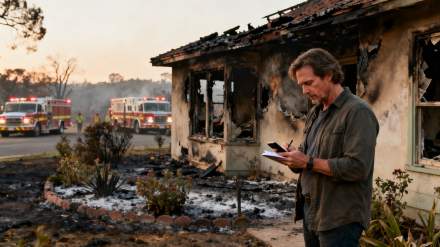
The reality: Putting out the flames is only the first step. Smoke residue can spread through a home and settle in places the fire never reached. Soot is acidic, so it can keep damaging metal, finishes and electronics long after the scene looks calm. Water used to fight the fire also soaks floors, walls and insulation, so a fire loss is almost always a water loss too.
Ready.gov’s guidance on what to do after a home fire is a good starting point. It advises checking with the fire department before you go back inside, leaving utilities alone until they have been confirmed safe, and taking an inventory of damaged items before throwing anything away. It also recommends saving every receipt connected to the loss and notifying your mortgage company.
Myth 2: “A room that looks dry is a dry room.”
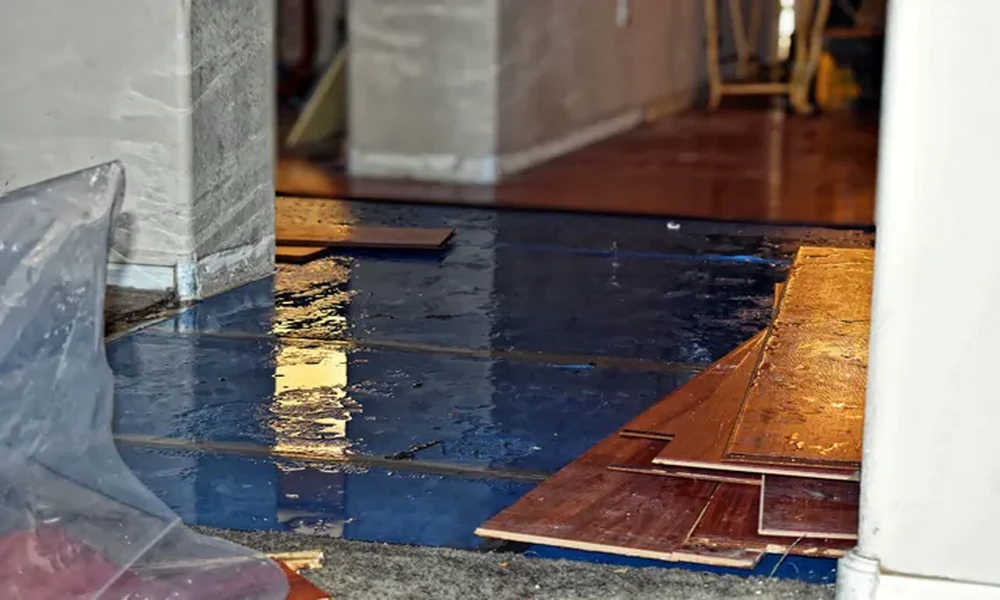
The reality: Surfaces dry fast. Structure doesn’t. Moisture can stay trapped in wall cavities, under cabinets and beneath flooring for days. That hidden dampness feeds mold and slowly weakens building materials. Professionals use moisture meters and thermal imaging to find what your eyes can’t, and they keep measuring until readings return to normal.
Myth 3: “Clean-looking water is safe water.”
The reality: Color tells you very little. Water from a broken supply line starts out clean, but it can pick up contaminants as it moves through a home, and the longer it sits, the worse it gets. Sewage backups and floodwater are a different problem entirely. They carry bacteria and require careful removal and sanitizing. If you aren’t sure where the water came from, treat it as contaminated and call a professional.
Myth 4: “Smoke smell fades on its own.”
The reality: Airing out the house helps, but odor is carried by particles embedded in fabrics, drywall and ductwork. If the source isn’t treated, the smell often returns, especially on warm days or when the HVAC system runs. Real odor removal involves cleaning the affected materials and treating the air, not covering the smell with fragrance.
Myth 5: “I should clean everything up myself before calling anyone.”
The reality: Throwing out damaged belongings right away can hurt your claim, and scrubbing soot incorrectly can smear it deeper into surfaces. Instead, stay safe, document everything with photos and video, and call for help early. A good restoration team will tell you what to keep, what to discard and how to document it.
Myth 6: “Filing an insurance claim is always a bad idea.”
The reality: Some losses are small enough to handle out of pocket, but others are far larger than they appear on day one. The smart move is to understand your options before deciding. Many restoration companies, including Padgett’s, offer a free inspection so you can see the full scope of the damage and then choose how to proceed. They also work with all insurance providers, which keeps the paperwork from becoming a second problem.
Myth 7: “All restoration companies are basically the same.”
The reality: Credentials and process vary widely. Before you hire anyone, ask:
- Are they certified? Look for an IICRC Certified Firm, which signals adherence to recognized restoration standards.
- Can they respond 24/7? Damage spreads overnight, so availability matters.
- Do they handle the full job? One team for cleanup, drying and rebuilding means fewer gaps and less finger-pointing.
- Do they have local roots? Familiarity with regional homes and building codes saves time.
Padgett’s holds IICRC and EPA Lead-Safe certifications and is BBB accredited. Its four-step process runs from an immediate response through inspection, removal and drying, and a full restoration with ongoing monitoring.
Your Quick “Claim-Ready” Checklist
Keep this list handy so you’re not scrambling in an emergency:
- Save your insurer’s claim line and your policy number in your phone.
- Store digital copies of key documents, such as IDs, deeds and insurance policies, in a secure place.
- Photograph or video your home’s contents once a year.
- Know where your main water shut-off valve is, and make sure every adult in the house can find it.
- Save one trusted restoration number, such as (909) 307-2769 for Padgett’s 24-hour hotline, before you need it.
The Bottom Line
Fire and water damage are stressful enough without bad information on top. Act fast, document everything, and bring in trained help early. The sooner the right people are on site, the more of your home and belongings you are likely to save.



Leave a Comment