
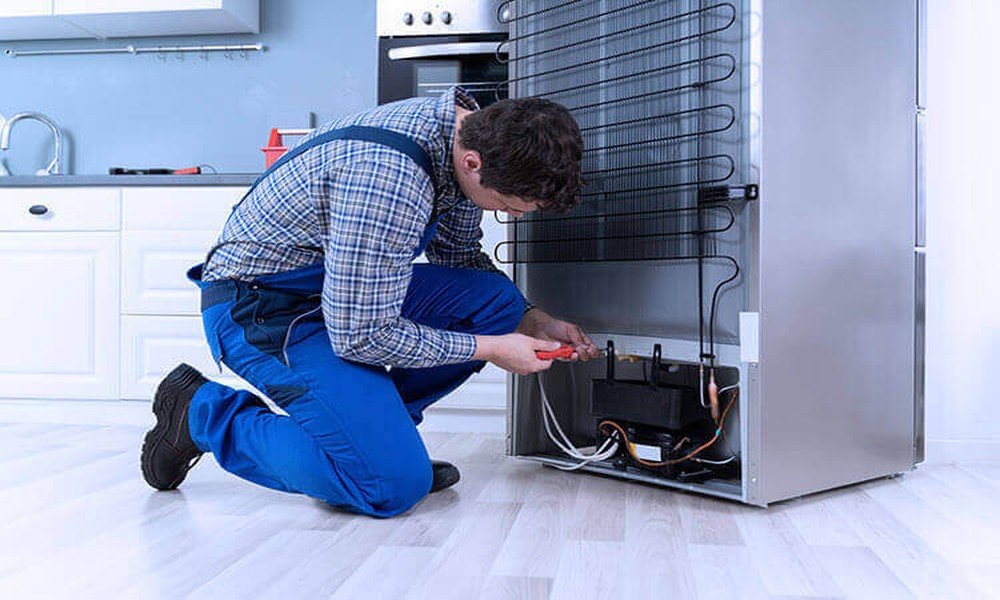

Modern homes depend on many working appliances. Breakdowns cause stress and daily disruption. Many people try quick fixes at home. But results often remain uncertain and slow. The work needs careful observation and skill. This is where trained experts show clear value. They act fast and solve issues with confidence. Their process may look simple at first glance. Yet it relies on deep knowledge and practice.
Understanding Symptoms with Sharp Observation
Technicians start by studying visible symptoms. They listen to strange sounds from machines. They check lights and error signals on panels. These clues guide the first steps of diagnosis. The expert observes patterns in machine behavior during operation, and notes any sudden changes in performance.
But quick observation alone is not enough. Experience helps connect symptoms to real causes. A faint noise may suggest a worn motor. A delay may point to electrical faults. So trained eyes reduce guesswork from the start. The process becomes faster and more accurate.
Using Systematic Testing Methods
Next comes structured testing of each component. Technicians follow a clear diagnostic sequence. They test power supply and connections first. Then they move to internal parts step by step. Each check confirms or rules out possible faults.
Sometimes, a problem hides behind another issue. So systematic testing avoids confusion and wasted effort. The expert uses simple tools with precision and care, which allows accurate readings without causing further damage. This approach ensures that no detail gets missed. The result is a focused and efficient repair path.
Relying on Technical Knowledge and Training
Technical training plays a key role in speed. Technicians understand how appliances function internally. They know common failure points in each model. This knowledge reduces the need for trial and error.
Now, patterns become easier to recognize over time. A cooling issue in a refrigerator may link to airflow problems. A washer may fail due to sensor faults. The trained mind quickly connects symptoms to known issues. The diagnosis becomes faster with each case handled. This depth of knowledge sets apart professional appliance repair technicians from casual attempts.
Leveraging Diagnostic Tools and Technology
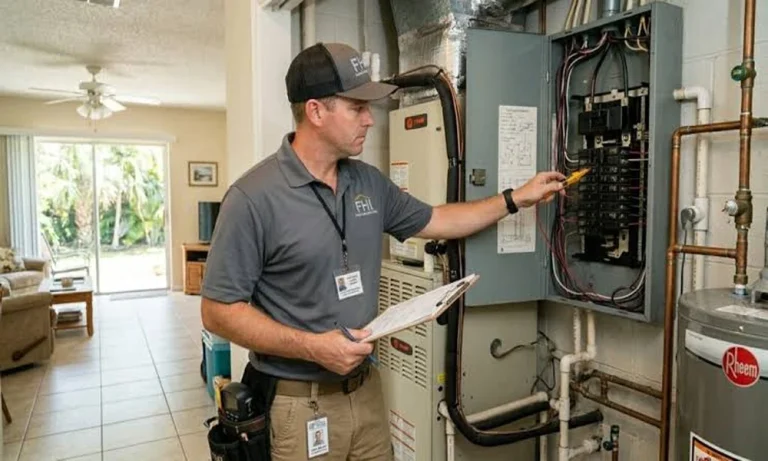
Modern tools enhance accuracy and speed. Technicians use meters to check voltage levels. They use scanners to read system errors. These tools provide clear and immediate feedback. But tools alone do not solve problems. Skill is needed to interpret the results correctly. The expert combines tool data with practical knowledge, which leads to precise identification of the fault.
Applying Experience from Past Repairs
Experience builds confidence and speed over time. Technicians remember similar problems from past work. They recall effective solutions that worked before. This memory helps narrow down possible causes quickly. Sometimes, small signs reveal major issues. A slight vibration may hint at internal damage. A delay in response may signal control board failure. So past experience acts like a guide in complex situations. The expert trusts learned patterns and acts with clarity.
Conclusion
Fast diagnosis is not based on luck. It comes from observation, method, and knowledge. Technicians follow a structured and thoughtful process. They use tools with skill and purpose. Experience strengthens every step they take.



Leave a Comment