
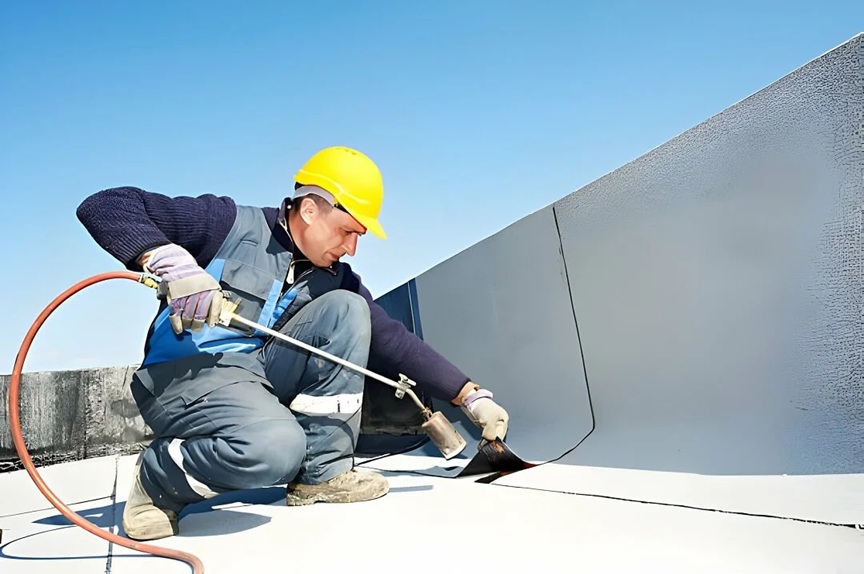

Choosing the right waterproofing contractors is one of the most consequential decisions a building owner in Singapore can make. Water intrusion does not announce itself with fanfare – it seeps quietly through cracks, joints, and porous surfaces until the damage becomes impossible to ignore. The question, then, is not whether you need a specialist but how to identify one who will do the job with precision and lasting effect.
Understanding What Waterproofing Contractors Actually Do
A competent leak prevention specialist does far more than apply a coating to a wall. The work begins with a thorough assessment of your building’s envelope – the roof, external walls, basement, and wet areas. Each zone presents its own vulnerabilities, and each demands a tailored approach. A bathroom leak, for instance, calls for a different membrane system than a roof terrace exposed to Singapore’s relentless tropical rain.
The best moisture protection experts combine diagnostic skill with material knowledge. They understand hydrostatic pressure, capillary action, and the behaviour of water vapour within concrete structures. Without this understanding, any repair is merely cosmetic.
Key Qualities to Look For
When evaluating potential contractors, consider the following criteria:
Proven track record
Ask for case studies or references from similar projects. A contractor who has handled HDB estates, condominiums, and commercial buildings will bring broader experience than one limited to a single building type.
Proper licensing and insurance
In Singapore, contractors should hold a valid BCA registration. Insurance coverage protects you from liability should accidents occur on site.
Transparent quotation process
A reliable damp proofing contractor will conduct an on-site inspection before quoting. Be wary of firms that offer prices over the phone without seeing the problem.
Warranty provisions
Reputable firms stand behind their work with written warranties, typically ranging from five to ten years depending on the system used.
Use of quality materials
The products matter as much as the application. Ask which brands and systems the contractor uses, and verify that these carry manufacturer certifications.
The Importance of a Proper Site Assessment
Mr Tan Wei Ming, a facilities manager overseeing three commercial properties in Toa Payoh, recalls a lesson learned the hard way. “We hired the cheapest contractor we could find for a roof waterproofing job,” he says. “They did not even check the drainage system before applying the membrane. Within eight months, the ponding water had compromised the entire installation. We ended up paying twice.”
This account underscores a vital point. A thorough site assessment should include moisture mapping, core sampling where necessary, and an evaluation of existing drainage and flashing details. The contractor should present findings in a written report before any work begins.
Questions You Should Ask Before Signing
Do not hesitate to interview prospective waterproofing contractors as you would any professional you entrust with significant responsibility. Consider asking:
- What waterproofing system do you recommend for my specific problem, and why?
- How long will the installation take, and what preparation is required?
- Will your team handle the entire project, or will portions be subcontracted?
- What happens if the problem recurs within the warranty period?
- Can you provide contact details for three recent clients?
The answers will reveal much about a contractor’s competence and integrity. Evasive responses or reluctance to provide references should raise immediate concern.
Comparing Multiple Quotations
It is wise to obtain at least three quotations before making a decision. However, price should not be the sole determining factor. Compare the scope of work described in each quotation. A lower price may reflect a less comprehensive approach – fewer coats of membrane, inferior materials, or the omission of critical preparation steps such as crack injection or surface grinding.
Look for itemised quotations that break down costs for materials, labour, and any additional works. This transparency allows for meaningful comparison and helps you understand exactly what you are paying for.
Red Flags to Watch For
Certain warning signs should prompt you to look elsewhere:
- Contractors who pressure you into signing immediately
- Quotes that seem dramatically lower than competitors without clear explanation
- No written contract or vague contract terms
- Inability to explain the proposed waterproofing system in plain language
- No physical office or verifiable business address
The Value of Getting It Right
Singapore’s climate is unforgiving to buildings. Annual rainfall exceeds 2,300 millimetres, and humidity rarely drops below 70 per cent. In this environment, water management is not optional – it is fundamental to structural longevity. A building with compromised waterproofing will suffer progressive deterioration, from reinforcement corrosion to mould proliferation, each problem compounding the next.
Investing time in selecting the right contractor pays dividends measured in decades, not months. The craftsmanship of a well-executed waterproofing system is invisible when it works – and that invisibility is precisely the point.
Making Your Final Decision
Weigh each contractor’s technical competence, communication quality, and reputation equally. Seek out online reviews, but also speak directly with past clients. Visit a current job site if possible – the tidiness of a worksite often mirrors the quality of the finished product.
The right specialist will not simply fix a leak. They will address the root cause, recommend preventive measures, and provide ongoing support. For building owners who value longevity and peace of mind, choosing dependable waterproofing contractors remains a decision that deserves careful, unhurried deliberation.








Leave a Comment