
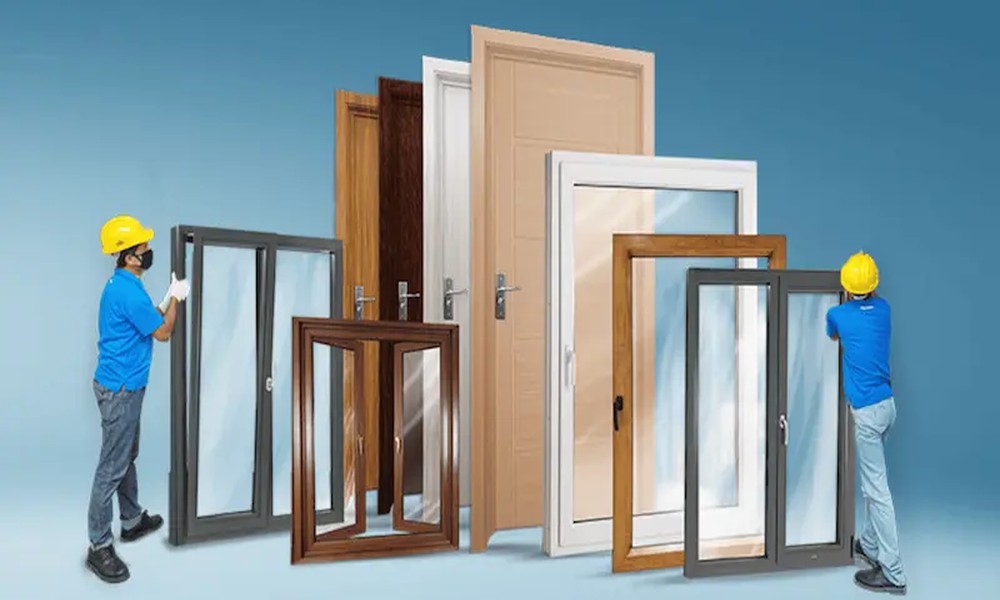

Keeping your home’s frames and openings in top condition is essential. This guide provides a comprehensive look at caring for uPVC installations across the United Kingdom.
Proper upkeep extends the lifespan of these vital components. It ensures they perform well for many years, saving money and hassle.
Whilst designed for frequent daily use, all moving parts have a cycle count. This natural wear over time means attention is needed to preserve quality performance.
Homeowners gain significant benefits from understanding correct procedures. Effective care prevents costly replacements and maintains energy efficiency.
This article will help you identify common issues. You will learn about essential parts and implement successful strategies for your property.
Excellent, customer-focused information supports informed decisions. Regular attention preserves both functionality and aesthetic appeal.
Key Takeaways
- uPVC frames and openings are built for durability but require regular care to last.
- All moving parts experience wear and need periodic attention for optimal function.
- Correct upkeep procedures can prevent expensive replacement costs.
- Proper maintenance preserves the energy efficiency of your home.
- Understanding common issues helps in applying the right solutions.
- Good care maintains the visual appearance of your installations.
- Informed homeowners can make better decisions about their property’s needs.
Understanding uPVC Window and Door Maintenance Solutions
Security and ease of access in a property depend on the coordinated function of specific fittings. Knowing what these are and how they work is the first step towards effective care.
Components of uPVC Windows and Doors
Every aperture is a system of interconnected hardware parts. Key elements include handles, hinges, and multi-point locking mechanisms.
These components face constant use, often several times daily. They must work in unison to provide security, weather resistance, and smooth operation.
The lock engages with keepers in the frame. Gasket seals compress to create a tight, draught-proof closure when everything is aligned.
Importance of Regular Maintenance
Preventative attention significantly extends the functional life of these systems. It stops minor wear from becoming major, costly failures.
Operation should feel effortless. A door should close and lock with a single, smooth manoeuvre.
If you meet resistance, it signals a problem. Forcing a stiff door or window can damage the mechanisms further.
Spotting early signs-like a stiff handle or a dragging hinge-allows for repair at a convenient time. This avoids emergency call-outs when parts fail completely.
Essential Components for Effective Maintenance
The secret to durable, trouble-free installations lies in understanding and maintaining their core mechanisms. For uPVC fittings, several hardware elements work in concert.
Locks, Hinges and Gasket Seals
Locks and their cylinders are vital for security. Resistance when turning the key signals a problem. Immediate action prevents keys becoming stuck.
Adjustable hinges can shift over time. This causes a door to snag or grind. For window fittings, similar issues may require hinge replacement.
Perished gasket seals lead to draughts and water ingress. Replacing these parts restores the weatherproof barrier.
The handle mechanism includes internal springs. Wear can cause sagging, preventing it from returning to centre.
Lubrication and Alignment Best Practices
All moving parts need lubrication every six months. Use silicone spray for hinges. Apply light oil spray to lock bolts.
Avoid WD-40. For key cylinders, only use graphite lock powder. Apply it to the key and work it into the latch system.
Proper alignment ensures the door compresses evenly into the frame. Check for uniform gaps and no play.
Step-by-Step How-To Guide for Maintenance
Following a clear sequence makes repair work straightforward and effective. This practical guide breaks down the process into manageable stages.
Homeowners can tackle common issues with confidence. Proper preparation is the foundation of any successful project.
Preparing Your Tools and Materials
Gather all necessary items before starting. Essential tools include screwdrivers, adjustment keys, and a silicone spray.
Have light machine oil and graphite powder for locks. Source any required replacement parts in advance.
This preparation saves considerable time. It often allows the job to be finished in a single day.
Professional Insights from Window Doctor UK
Experts from Window Doctor UK emphasise that most components are replaceable. This includes sticking lock mechanisms and failed hinges.
Addressing difficulties promptly prevents more extensive damage later.
Delaying a necessary repair typically leads to inconvenient failure.
Practical Instructions for Repairs and Adjustments
For a dropped handle, replacement is often the simplest solution. Universal handles fit older sliding patio door models.
New hinges are relatively inexpensive parts. Fitting them restores smooth operation to like-new condition.
Consider aesthetics during installation. FSD handles come in White, Satin Silver, or Black.
Proactive replacement of worn components ensures fittings work smoothly for years. It protects your original window investment.
Expert Advice & Practical Tips
Knowing when to fix or replace components is a crucial skill for any homeowner. This section consolidates professional guidance to help you make informed choices.
Strategic decisions protect your investment and ensure long-term performance.
Timely Repairs and Replacement Strategies
Seek a professional assessment for worn locks, handles, or hinges. Experienced providers can determine if repairs offer a lasting fix.
They weigh the age of the installation against the price of new parts. Often, a targeted service is more cost-effective than a full replacement.
Look for firms offering solid guarantees. Quality work often includes a 12-month guarantee on mechanical items and longer cover for glazed units.
Many offer free, same-day quotes. Modern CAD software lets customers visualise the final result before committing.
Advice from Window Doctor
A key recommendation from Window Doctor involves proper locking technique. Manufacturers advise fully engaging all locks every time a door is closed.
Frames naturally expand and contract with temperature changes. If only the latch is engaged, the top and bottom can move.
This movement, over years, can cause distortion. The door becomes harder to operate.
Lifting the handle or turning the key secures all points. This simple habit maintains alignment and prevents future issues.
| Consideration | Repair | Replacement |
|---|---|---|
| Best For | Isolated faults, recent installations | Multiple failures, outdated units |
| Typical Cost | Lower upfront investment | Higher initial outlay |
| Time Frame | Often completed in hours | Project over several days |
| Long-Term Value | Extends life of existing unit | Modern performance & warranties |
Conclusion
Ultimately, the lifespan and effectiveness of these systems depend on the care they receive. A consistent maintenance routine is the best defence against premature failure.
Understanding key hardware like locks and handles allows for early problem detection. Timely repairs or replacement of worn parts protects your original investment.
Following the practical advice in this guide preserves quality performance for many years. It safeguards security, energy efficiency, and aesthetic appeal.
For complex issues, a professional service assessment is wise. They can determine if a targeted fix or a new installation offers better long-term value.
Regular attention ensures your uPVC window and door systems remain reliable, functional assets to your home.




Leave a Comment