
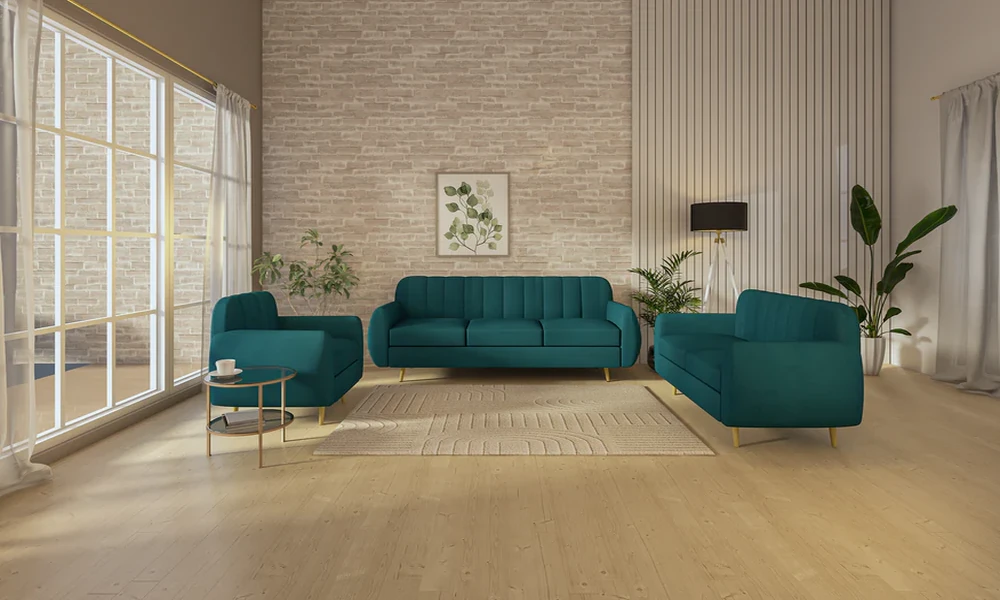

A new sofa has the power to redefine a room’s personality, set the tone for daily relaxation, and withstand the rigors of real life. Choosing the right contemporary sofa is about more than just good looks. It’s a blend of functionality, design, durability, and compatibility with your lifestyle.
Understanding Contemporary Sofa Styles
A contemporary sofa stands apart through its clean lines, emphasis on comfort, and a willingness to experiment with form and material. These are not your ornate antiques or stuffy traditionals, but pieces crafted to feel both inviting and visually crisp.
Defining Contemporary Design in Sofas
Contemporary sofas borrow from modern minimalism while staying open to new influences. Expect softer curves, squared arms, and a focus on proportion. Metal or wood legs are often exposed, giving a sense of lightness, while the silhouette is usually free of excessive ornamentation.
Key Design Elements: Lines, Shapes, and Materials
Lines in contemporary sofas are usually straight or gently curved. Shapes favor geometry, rectangles, squares, and low-slung or modular designs. Materials matter here, with a trend toward tactile fabrics, sleek leathers, and visually light frames.
Popular Contemporary Sofa Configurations
Sectionals, chaise lounges, and classic three-seat sofas dominate the contemporary scene. Modular options invite customization, letting you reconfigure seating as your needs evolve.
Comfort and Functionality Features
Style might catch the eye, but comfort keeps you coming back. The best sofas deliver both.
Cushioning and Upholstery Options
High-density foam offers firm yet supportive seating, while down-blend cushions provide a plush, sink-in feel. Velvet, boucle, and performance fabrics are top picks for contemporary living, blending texture with durability.
Frame Construction and Support
A sturdy frame is non-negotiable. Kiln-dried hardwood leads the pack for stability and longevity, while metal frames offer a modern, industrial vibe. Webbing and sinuous springs often provide underlying support, preventing sag and wear.
Additional Features: Reclining, Modularity, and Storage
Today’s contemporary sofas may include hidden storage, built-in recliners, or modular pieces you can rearrange as life demands. These features elevate function without sacrificing style.
Material Quality and Durability
Not all sofas wear time equally. Material choices can be the difference between a piece that looks dated after a year and one that feels fresh for a decade.
Fabric Choices: Performance, Texture, and Care
Performance fabrics resist stains and fading, a blessing for busy homes. Textured materials like chenille or bouclé offer tactile depth, while tightly woven linens provide breathability. Easy-care upholstery is a must for families or entertainers.
Leather and Alternative Upholstery Pros and Cons
Leather radiates luxury and is easy to clean, but can show scratches and may feel cold in winter. Vegan and faux leathers are gaining traction for their eco-credentials, though they may not match real leather’s longevity. Consider your priorities: touch, appearance, and maintenance.
Frame Materials: Wood, Metal, and Composite
Kiln-dried hardwood ensures long-term resilience. Metal frames add a modern edge but may feel less warm. Composite materials often balance cost and strength, but check for quality certification before investing.
Size, Scale, and Space Planning
A beautiful sofa can turn into a daily headache if it overwhelms your space or underwhelms your needs.
Measuring for Your Space
Measure not just the room, but doorways, hallways, and elevators. Account for walking paths and accompanying furniture. There’s nothing stylish about a sofa that can’t get through the door.
Sofa Depth, Height, and Seating Capacity
Depth influences lounging comfort, while height matters for both looks and ease of getting up. Consider who will use the sofa and for what (lounging, formal entertaining, napping).
Balancing Sofa Size with Room Layout
A grand sectional shines in open-plan spaces, but compact loveseats or apartment-sized sofas suit tighter quarters. Balance is everything: your sofa should invite, not dominate.
Aesthetic Compatibility and Customization
A contemporary sofa is a canvas for your personal taste, if you know how to use it.
Matching Sofas with Interior Themes
Contemporary sofas play well with a range of aesthetics, from urban industrial to cozy minimalism. Look for shared design cues like matching wood tones, finishes, or color palettes.
Color Palette and Pattern Selection
Neutrals remain timeless, but bold colors or sculptural patterns can make a design statement. Consider the room’s lighting as colors look different throughout the day.
Customizable Options and Bespoke Designs
Many brands offer customizable sizes, fabrics, and finishes. If personalization is key, Avant Scene sofas are a helpful resource for exploring unique combinations tailored to your space.
Budget Considerations and Brand Reputation
The price tag isn’t just about what you pay up front, it’s what you get in comfort, longevity, and support.
Evaluating Price vs. Quality
A well-constructed sofa may cost more, but outlasts cheaper alternatives by years. Compare warranties, check reviews, and try in-store whenever possible.
Warranty and After-Sales Service
A robust warranty reflects a manufacturer’s confidence. Responsive after-sales support can be the difference between a smooth experience and buyer’s regret.
Recognizing Reliable Manufacturers and Retailers
Look for transparency in sourcing, craftsmanship, and business practices. Brands with clear communication and a track record of service inspire more confidence than those with only glossy photos.
Choosing the right contemporary sofa is a balancing act of style, comfort, quality, and fit. When you weigh each feature with your needs in mind, you create a living space that truly feels like home.







Leave a Comment