
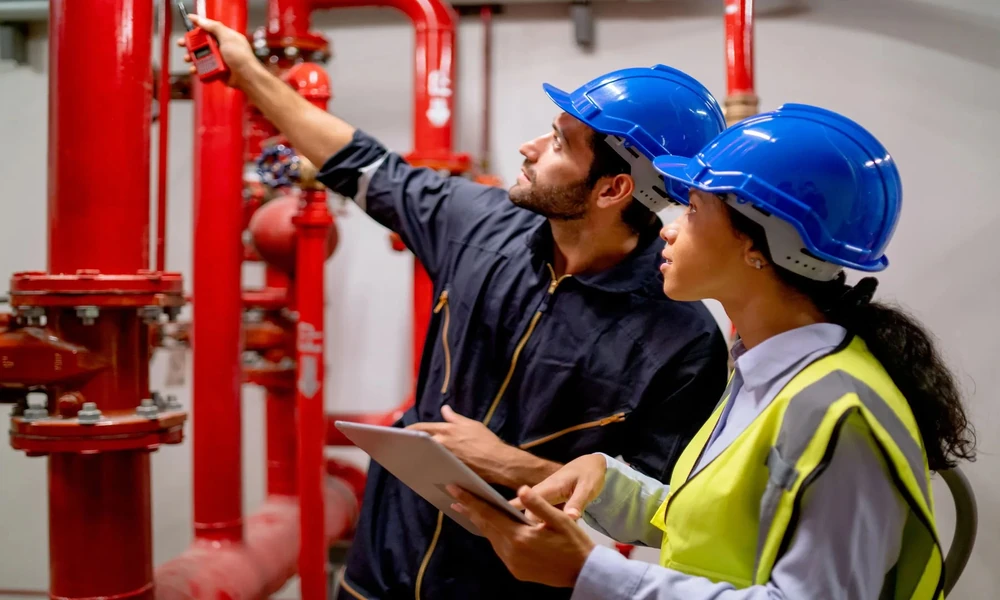

Fire watch services have traditionally relied on trained personnel conducting patrols, observing potential hazards, and maintaining written records. While these responsibilities remain important, modern technology can support fire watch operations by improving communication, documentation, monitoring, and situational awareness. When used appropriately, technology can complement trained personnel rather than replace the need for human observation.
For businesses seeking fire watch services glendale, technology can provide useful support alongside trained fire watch personnel. Digital logs, mobile communication, electronic patrol verification, and real-time reporting can improve accountability and help authorized managers receive important information more efficiently. When these tools are integrated with established fire watch procedures, they can strengthen documentation, communication, and situational awareness while keeping trained personnel at the center of on-site fire monitoring.
Digital Fire Watch Logs
One of the simplest technological improvements is the use of digital reporting systems. Instead of relying entirely on paper forms, fire watch personnel can record patrol times, observations, hazards, and incidents electronically.
Digital records can be easier to organize, review, and share with authorized managers. They may also reduce problems associated with illegible handwriting or misplaced paperwork.
Mobile Communication Tools
Mobile phones, radios, and other communication devices can help fire watch personnel communicate quickly with supervisors and designated emergency contacts.
When a guard identifies a potential hazard, having a reliable communication method can make it easier to report the issue without unnecessary delay. Businesses should establish approved communication procedures before the assignment begins.
Electronic Patrol Monitoring
Technology can also support verification of scheduled patrols. Some fire watch companies use electronic systems that allow guards to check in at designated locations during their rounds.
These systems can provide time-stamped information showing that specific areas were visited. Such tools may improve accountability and help supervisors identify missed or delayed patrols.
Real-Time Reporting
Modern reporting platforms can allow information to be shared with authorized personnel more quickly. Guards may be able to submit observations or incident reports from the property rather than waiting until the end of a shift.
Faster information sharing can help responsible personnel address hazards sooner and make better-informed decisions.
Cameras and Remote Monitoring
Security cameras can provide additional visibility in selected areas of a property. When integrated appropriately with fire watch operations, cameras may help personnel observe locations that are difficult to monitor continuously.
However, cameras should generally be considered a supporting measure. They may not identify every developing fire hazard, and they cannot replace physical inspections when on-site fire watch is required.
GPS and Location Awareness
GPS-enabled devices can assist with monitoring personnel locations during assignments, particularly when guards cover large properties. Location information can help supervisors understand patrol progress and coordinate personnel more effectively.
Businesses should ensure that any tracking practices comply with applicable privacy requirements and company policies.
Automated Alerts
Certain monitoring systems can provide alerts when they detect conditions such as smoke, heat, or equipment abnormalities. These technologies can offer useful additional information, especially in large or complex facilities.
However, automated alerts should be incorporated into an established response process. Personnel must understand how alerts are received, verified, and escalated.
Better Shift Handover
Technology can make communication between shifts more organized. Incoming guards can use electronic records to understand earlier site conditions, identified risks, and unresolved issues before starting their shifts.
This can create better continuity across 24-hour operations.





Leave a Comment