
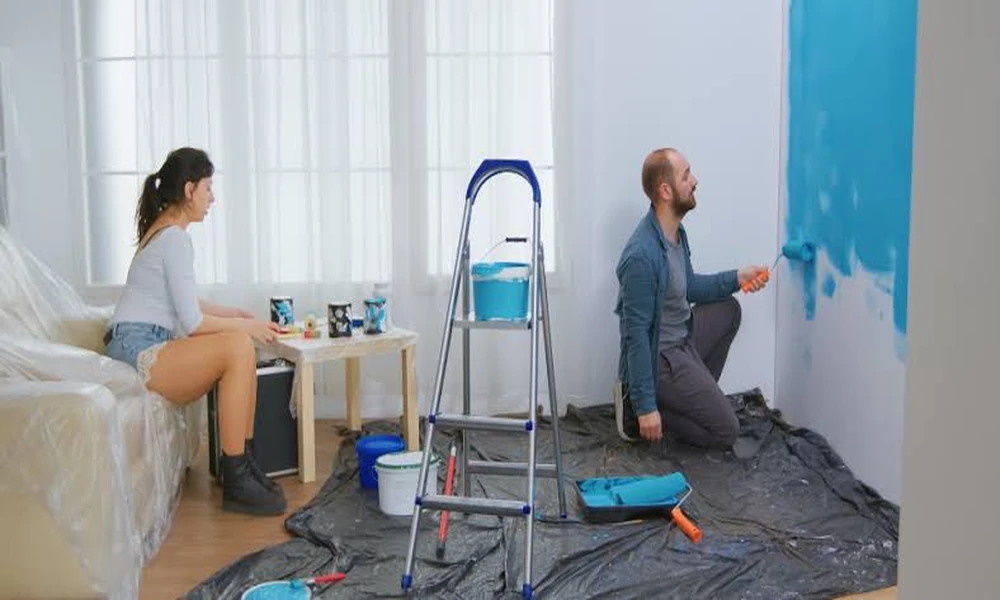

Professional interior painting can cost more than doing the work yourself, but the difference often goes far beyond the price of the paint. A professional decorator brings preparation, equipment, surface knowledge and practical experience to the job. They also take responsibility for the small details that can make a newly painted room look polished rather than covered in a new colour.
For homeowners, the decision often comes down to time, finish quality, preparation and the amount of work involved. A single small bedroom may feel manageable as a DIY project. Painting an entire house with high ceilings, staircases, doors, skirting boards and damaged walls becomes a very different task.
What Does Professional Interior Painting Include?
The cost of professional painting usually covers much more than applying two coats of paint. A decorator will normally assess the surfaces before work begins and identify areas that need filling, sanding, cleaning or priming.
Furniture and flooring also need protection. Curtains, sockets, switches, doors, window frames and other fixtures may need covering or masking. The decorator then prepares the walls before applying the chosen paint.
This preparation can include filling holes, repairing minor cracks, sanding rough patches, removing loose paint and creating a suitable surface for the new coating.
Once the preparation finishes, the painter applies the appropriate number of coats and pays attention to edges, corners and awkward sections. Good decorators also keep the work area organised throughout the project.
That level of care explains why a professional quote cannot simply compare the price of a tin of paint with the cost of doing the work yourself.
Why Preparation Makes Such a Difference
One of the biggest differences between a rushed DIY job and professional decorating comes before painting starts.
Paint does not hide every surface problem. Small dents, old repairs, uneven patches and cracks can remain visible after painting, particularly when light falls across the wall from a nearby window.
A professional decorator looks at the wall under the room’s actual lighting and deals with obvious imperfections first. They know that a smooth surface creates a better base for the finished paintwork.
Preparation also helps the paint grip the surface properly. Certain walls may require primer or a different preparation method, particularly if they have stains, bare plaster or a strong existing colour.
How Much Time Can Professional Painting Save?
Painting takes longer than many people expect. The actual rolling may move quickly, but preparation, drying times, sanding, cleaning and moving furniture all add hours.
A homeowner might spend several evenings painting one room after work. An entire property can then turn into a project lasting weeks.
Professional decorators already have the equipment and working routine needed for this type of job. They can usually work through the property in a planned order rather than repeatedly setting everything up from scratch.
For busy homeowners, the time saved can form a major part of the value of professional decorating.
Professional Equipment Can Improve the Finish
A professional painter uses suitable brushes, rollers, extension poles, sanding equipment, dust sheets and other decorating tools. They also understand which equipment suits different surfaces and paint types.
Good tools do not replace skill, but they make consistent results easier to achieve.
Cutting in around ceilings, door frames, windows and skirting boards requires control. Uneven edges can stand out once the paint dries, especially where contrasting colours meet.
A professional decorator can also deal with awkward areas that prove difficult for inexperienced painters, including stairwells, narrow hallways and high walls.
When Professional Painting Offers Better Value
Professional painting often makes the most sense when the project involves several rooms or requires substantial preparation.
It can also prove worthwhile when:
- The walls need repairs before painting.
- The property has high ceilings or difficult access.
- You need several rooms decorated within a short period.
- The existing paintwork looks tired or uneven.
- You want doors, skirting boards and other woodwork painted too.
- You have expensive furniture or delicate flooring to protect.
- You do not have suitable decorating equipment.
- You want a consistent finish throughout the property.
The larger the project becomes, the more difficult it becomes to judge the cost of paint and materials.
What About Doing the Work Yourself?
DIY painting can certainly make sense in some situations. If you enjoy decorating, have plenty of free time and only need to refresh a small room, you may decide to handle the work yourself.
The key is to understand what the job involves before starting.
You need to buy paint and preparation materials, protect the room, prepare the walls, complete the painting and clean afterwards. You also need to allow enough time for coats to dry.
Mistakes can add further expense. Paint runs, uneven coverage, visible roller marks and poor cutting-in may require additional coats or corrections.
Professional Painting Can Also Help When Selling a Property
Fresh interior paint can make a property look cleaner and better maintained. Neutral colours can also give potential buyers a simpler backdrop when they view rooms.
If a property needs several rooms refreshed before going on the market, professional decorating can provide a consistent finish without taking the homeowner away from other preparation work.
The aim does not need to involve expensive colours or elaborate finishes. Clean walls, neat woodwork and a well-maintained interior can make a strong first impression.
For many homeowners, yes. The value comes from the complete service rather than the paint on the walls.
A professional decorator handles preparation, protection, application and finishing. They bring the right tools, work methodically and know how to deal with common surface problems. They can also complete a larger decorating project without the homeowner spending every evening and weekend working on it.
For a small room in good condition, DIY painting may still be a sensible option. For larger properties, multiple rooms, difficult surfaces or homeowners who want a clean and consistent finish, professional interior painting can offer considerably better value.
The strongest result comes from treating painting as skilled finishing work rather than simply putting colour on a wall. When preparation receives the same attention as the final coat, the finished room looks cleaner, sharper and more professionally decorated.





Leave a Comment