
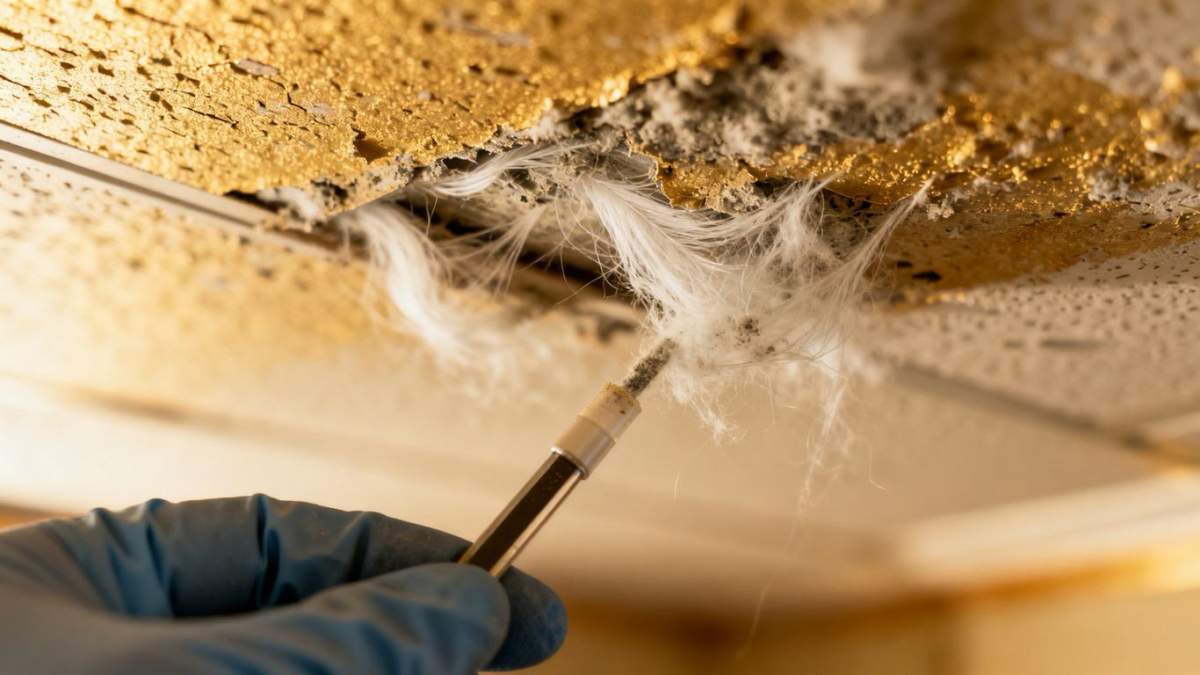

What Is Asbestos?
Asbestos is a naturally occurring mineral that was once widely used in building materials due to its strength, heat resistance, and insulating qualities. It is composed of thin, flexible fibers that are microscopic and can become airborne when disturbed. The very properties that made asbestos desirable in construction also make it a health hazard when its fibers are inhaled. Because these fibers are so small, they can easily enter the lungs and become lodged in tissues, potentially leading to serious health issues over time. Many homes built before the 1980s may still contain asbestos-containing products.
Historical Use in Construction
For much of the 20th century, asbestos was a popular additive in a vast array of construction products. Its fire-resistant and insulating capabilities made it seem like an ideal component for many applications. You might find it in:
- Cement products, like siding and roofing shingles.
- Insulation materials, including pipe lagging and attic insulation.
- Flooring, such as vinyl tiles and the adhesives used to install them.
- Textured paints and coatings, often referred to as “popcorn ceilings.”
- Electrical components, like fuse boxes and switchboards.
Its widespread use means that many older homes, even those that have had some updates, could still harbor asbestos materials. The decline in its use began in the 1970s, but products manufactured before then may still be present.
Health Risks Associated with Exposure
Exposure to asbestos fibers can lead to significant health problems, primarily affecting the respiratory system. When asbestos-containing materials are disturbed, such as during renovations or if they become damaged, microscopic fibers can be released into the air. If these fibers are inhaled, they can become trapped in the lungs and other organs. No level of asbestos exposure is considered completely safe. Over prolonged or repeated exposure, these fibers can cause inflammation and scarring, which may eventually develop into serious diseases. These conditions often have a long latency period, meaning symptoms may not appear for 15 years or more after exposure. Some of the known health risks include:
- Asbestosis: A chronic lung disease characterized by scarring of lung tissue, leading to shortness of breath and a persistent cough.
- Lung Cancer: The risk of developing lung cancer is significantly increased in individuals exposed to asbestos, especially those who also smoke.
- Mesothelioma: A rare but aggressive cancer that affects the lining of the lungs, abdomen, or heart. It is almost exclusively linked to asbestos exposure.
Identifying Potential Asbestos Locations
When looking for asbestos in a home, it’s helpful to know where it was commonly used. Many building materials from the mid-20th century contained asbestos because it was cheap and worked well for insulation and fireproofing. Knowing these common spots can help you be more aware, especially in older houses.
Exterior Building Materials
Materials used on the outside of a house could also contain asbestos. Think about:
- Roofing and Siding: Some older corrugated roofing sheets and siding panels were made with asbestos cement. If your home has these materials and they are in good shape, they might be okay, but if they’re damaged, it’s a concern.
- Exterior Paints and Coatings: Certain textured paints or coatings applied to the exterior might have included asbestos. This is less common than interior uses but still possible.
- Concrete Structures: Sometimes, asbestos was added to concrete mixes for things like pathways or driveways. Disturbing these surfaces, like during repairs, could release fibers.
Interior Walls and Ceilings
Inside the home, asbestos was frequently mixed into materials used for walls and ceilings. This is a major area to check:
- Textured Ceilings: Often called “popcorn ceilings,” these were very popular. The spray-on texture frequently contained asbestos. If the ceiling is intact, the risk is lower, but any damage or plans to scrape it are risky.
- Drywall and Plaster: Asbestos was sometimes added to joint compounds, plasters, and even drywall itself to make them stronger and more fire-resistant. Look for older drywall or plaster that might be crumbling.
- Textured Paints: Similar to exterior paints, interior decorative paints, especially those with a textured finish, could contain asbestos.
Flooring and Adhesives
Flooring materials and the glues used to put them down are another common place to find asbestos:
- Vinyl Floor Tiles: Many vinyl floor tiles made before the 1980s contain asbestos. This includes both the tile itself and the backing.
- Sheet Vinyl Flooring: If you have older sheet vinyl flooring, the material and its adhesive could contain asbestos.
- Adhesives and Mastics: The black or dark-colored glues used to stick down tiles or other flooring materials are often a source of asbestos. These can be found under existing flooring or if old flooring has been removed.
Insulation and Heating Systems
Asbestos was widely used for insulation, especially around heat-generating systems:
- Pipe Insulation: Older homes often have insulation wrapped around pipes, particularly hot water pipes and heating ducts. This insulation frequently contains asbestos and can look like a white or gray paper-like material or a hard, molded covering.
- Boiler and Furnace Insulation: The insulation around boilers, furnaces, and water heaters might also contain asbestos. This could be in the form of blankets, boards, or cement-like materials.
- Vermiculite Insulation: If your attic has loose-fill insulation that looks like small, shiny pebbles (often brown or gold), it might be vermiculite. A significant amount of vermiculite mined in Libby, Montana, was contaminated with asbestos. This type of insulation is easily disturbed and can release fibers.
Assessing Asbestos Material Condition
Once you suspect asbestos might be present in your home, the next step is to look closely at its condition. It’s not just about if asbestos is there, but also how it’s holding up. Asbestos materials that are solid and undisturbed generally pose a low risk. However, materials that are crumbling, damaged, or likely to be disturbed need more attention.
The Importance of Condition Assessment
Understanding the state of potential asbestos-containing materials (ACMs) is key to managing risk. A material that looks fine today might start to break down over time. Regular checks help you stay informed about any changes. The goal is to prevent asbestos fibers from becoming airborne, which is when they pose the greatest health hazard.
Recognizing Deteriorating Materials
Several signs can indicate that an ACM is deteriorating:
- Friability: This means the material can be easily crumbled or broken by hand. If you can break off a piece, it’s likely friable and releasing fibers.
- Visible Fibers: You might see small, fuzzy fibers sticking out from the surface of the material, especially if it’s been damaged.
- Cracks and Crumbling: Look for cracks, tears, or areas where the material is breaking apart.
- Water Damage: Stains or damage from leaks can weaken ACMs and increase the risk of fiber release.
When to Seek Professional Evaluation
While you can observe the condition of materials, it’s important to know your limits. Visual identification alone is not enough to confirm asbestos. If you notice any signs of deterioration, or if you plan any renovations that might disturb the material, it’s time to call in the experts. Professionals have the training and equipment to safely assess the situation and can collect samples for laboratory testing to confirm the presence of asbestos confirm the presence of asbestos. They can also advise on the best course of action, whether that’s leaving the material in place with monitoring, encapsulating it, or arranging for professional removal.
Safe Handling and Management Practices
When dealing with materials that might contain asbestos, the primary goal is to prevent the release of airborne fibers. Disturbing these materials, even unintentionally, can create a significant health hazard. Therefore, a cautious and informed approach is always recommended.
Avoiding Disturbance of Suspected Materials
It is vital to avoid any action that could break apart or damage materials suspected of containing asbestos. This includes activities such as sawing, sanding, drilling, or scraping. Even cleaning methods like sweeping or vacuuming dry debris can stir up fibers. If you encounter such materials, the safest course of action is to leave them undisturbed and consider professional assessment.
The Role of Protective Equipment
If you must work in an area where asbestos is present or suspect it might be, wearing appropriate personal protective equipment (PPE) is non-negotiable. This typically includes:
- A high-efficiency particulate air (HEPA) filtered respirator or a mask specifically rated for asbestos.
- Disposable coveralls to prevent contamination of clothing.
- Gloves and eye protection.
Always ensure that PPE is fitted correctly and used according to manufacturer instructions.
Containment Procedures During Work
When any work is being done on or near suspected asbestos-containing materials, proper containment is essential to limit the spread of fibers. This involves:
- Sealing off the work area using plastic sheeting and tape.
- Turning off HVAC systems to prevent air circulation.
- Using wet methods to keep dust down during any necessary, minor interventions.
For any significant work, it is strongly advised to consult with professionals who are trained in asbestos abatement and containment procedures. They have the knowledge and equipment to manage the situation safely and effectively.
Professional Asbestos Inspection and Testing
When dealing with potential asbestos in your home, it’s easy to think you can just look at a material and know if it’s dangerous. However, visual identification alone is not a reliable method for determining the presence of asbestos. Many asbestos-containing materials look very similar to common building products. Relying on a visual check can lead to a false sense of security or unnecessary alarm.
Why Visual Identification Is Insufficient
Asbestos fibers are microscopic, meaning they cannot be seen with the naked eye. Materials that contain asbestos can range from insulation and textured paints to floor tiles and roofing shingles. Without specialized knowledge and equipment, distinguishing between an asbestos-containing product and a non-asbestos product can be impossible. This is where professional inspection and testing become necessary.
The Process of Professional Sampling
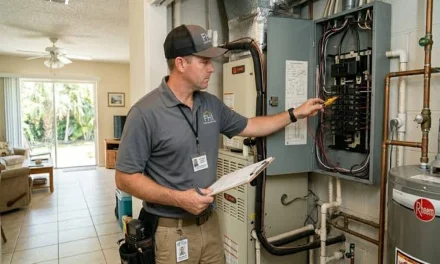
Professional asbestos inspections involve trained and qualified surveyors who follow strict protocols. The process typically includes:
- Initial Walk-through: The surveyor will conduct a thorough visual inspection of the property, noting all suspect materials. They may review any available building plans or historical information about the property.
- Material Sampling: If a material is suspected to contain asbestos, the surveyor will carefully take a small sample. This is done using specific techniques designed to minimize the release of airborne fibers. Protective gear is worn during this process.
- Laboratory Analysis: The collected samples are then sent to an accredited laboratory. Here, technicians use advanced methods, such as polarized light microscopy (PLM) or transmission electron microscopy (TEM), to analyze the samples and confirm the presence and type of asbestos.
Interpreting Test Results
Once the laboratory analysis is complete, you will receive a detailed report. This report will clearly state whether asbestos was detected in the samples, the type of asbestos found, and its approximate percentage within the material. The report will also often provide recommendations on how to manage the material, depending on its condition and location. Understanding these results is key to making informed decisions about your home’s safety. It’s important to have a qualified professional explain the report to you, especially if you are planning any renovations or if the material is in poor condition.
When to Engage Asbestos Abatement Professionals
Planning Renovations in Older Homes
If your home was built before the 1980s, it’s a good idea to think about asbestos before you start any work that might disturb building materials. Even if you’re just planning a small update, like changing some flooring or painting a textured ceiling, it’s wise to get a professional opinion. Trying to figure out if asbestos is present on your own can be tricky, and disturbing it accidentally can create a health risk. It’s always better to be safe than sorry when dealing with potential asbestos.
Handling Damaged or Deteriorating Asbestos
Sometimes, asbestos-containing materials can start to break down over time. You might notice crumbling insulation, loose floor tiles, or damaged textured coatings. If you see any signs that materials that might contain asbestos are deteriorating, it’s time to call in the experts. These situations pose a higher risk of releasing asbestos fibers into the air. Professionals have the right gear and methods to handle these materials without making the problem worse.
Legal and Safety Obligations
In many places, there are rules about how asbestos must be handled, especially if you’re planning major work like renovations or demolition. Homeowners have a responsibility to manage asbestos safely. This often means:
- Getting a professional inspection before starting significant work.
- Informing contractors about any known asbestos.
- Hiring licensed professionals for any removal or significant repair work.
- Following proper disposal procedures.
Ignoring these steps can lead to legal trouble and, more importantly, put the health of everyone in the home and the surrounding community at risk. Never attempt to remove or repair asbestos materials yourself.
Proper Asbestos Disposal Procedures
Regulatory Requirements for Disposal
Disposing of asbestos-containing materials is not like throwing out your regular trash. There are strict rules in place to make sure it’s handled safely and doesn’t end up harming people or the environment. These regulations come from both federal and local authorities, and they dictate exactly how asbestos waste must be packaged, transported, and where it can be taken. Failure to follow these rules can lead to significant fines and legal trouble. It’s important to know that asbestos waste is classified as hazardous material, and it requires special handling from start to finish.
Identifying Licensed Disposal Facilities
Not just any landfill will accept asbestos. You need to find a facility that is specifically licensed to handle hazardous waste, including asbestos. These facilities have the proper containment measures and procedures to manage asbestos waste safely. Finding one usually involves checking with your local environmental protection agency or waste management authority. They can provide a list of approved sites in your area. Sometimes, the asbestos abatement professionals you hire will already have relationships with these facilities and can manage the disposal process for you as part of their service.
Avoiding Improper Waste Management
Improper disposal is a serious concern. This includes things like putting asbestos in your regular garbage bins, dumping it illegally, or even just not packaging it correctly. When asbestos materials are not contained, fibers can become airborne during transport or at an unapproved disposal site, leading to exposure risks. It’s vital to use heavy-duty, sealed bags specifically designed for asbestos waste and to label them clearly. Never attempt to break apart or disturb asbestos materials before disposal, as this releases the dangerous fibers. Always rely on trained professionals for removal and disposal to prevent these hazardous situations.






Leave a Comment